In today's world, where instability is the new stability and disruption is the new normal, 2025's tumultuous tariff rollercoaster should have been unsurprising. Shifting trade policies and global supply-side pressures are back on the agenda, driving headlines and shaping executive priorities.
Major retailers have sounded the alarm about rising costs, and for good reason. Why? Because when supply chains lack real-time visibility built on orchestration and integration, they also lack the agility needed to respond with speed and precision. The fallout is costly: missed commitments, delayed deliveries, and reactive pricing that erodes customer trust.
Reactive decision-making is a business risk in the fast-paced environment of modern supply chains. That's why consumers, investors, and the market value organizations that prioritize automated supply chain orchestration.
The companies that thrive today are those that invest in intelligent automation and the coordination of core flows such as ordering, procurement, fulfillment, and invoicing. With governance, transparency, and control embedded at every step, supply chain orchestration turns fragmented operations into agile ecosystems, and that's becoming the new competitive standard.
The New Trade Reality
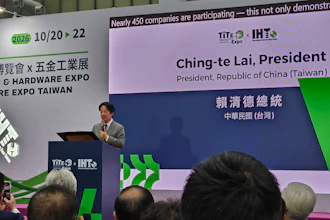
Tariffs have quietly shaped global trade for years, but their renewed use as geopolitical leverage underscores the broader unpredictability impacting modern supply chains. Other challenges testing operational resilience across the board include:
- Climate-related events: Hurricanes, wildfires, and floods continue to disrupt key transportation routes and logistics hubs. The 2023 Texas winter storm halted operations at major distribution centers, delaying shipments for weeks. That same year, Panama suffered a prolonged drought that affected the global shipping industry. As extreme weather events increase, the strain on the supply chain will continue to see mirrored complications.
- Skilled Labor shortages: Another leading factor in strained capacity is the lack of skilled labor in warehousing, manufacturing, and transportation, which can lead to extended lead times. A recent report found that only half of supply chain positions require software knowledge, despite its growing relevance to automation in the industry. This lack of technology skills is further strained by the industry's struggle to fill available positions with qualified workers. According to the Bureau of Labor Statistics (BLS), as analyzed by the National Association of Manufacturers, U.S. manufacturing job openings hovered around 432,000 per month before the pandemic and surged to over 830,000 between 2021 and 2023.
- Digital Infrastructure Gaps: As companies race to digitalize their operations, many are discovering that outdated legacy systems and siloed data architectures are limiting their ability to respond to real-time disruptions. Without integrated systems that connect internal teams and external partners, visibility breaks down, decisions lag, and errors multiply. According to a recent report, organizations that lack automated integration across their supply chain ecosystems are significantly more vulnerable to delays, compliance issues, and missed revenue opportunities.
Today's supply chain risks aren't one-off incidents. Rather, these new challenges are persistent and interconnected. For manufacturers and retailers alike, this means adapting to a world where trade policy is just one of many variables requiring constant calibration. Companies sticking to outdated, manual processes are getting left behind. The winners? They're proactive, agile, and integrated.
For example, an analysis of public company earnings reports from 2019 to 2025 revealed a stark divide between companies that invested in supply chain integration, real-time visibility, and automated orchestration—and those that didn't. The report found that those who did invest consistently outperformed the market. Among firms that experienced stock declines following supply chain disruptions, 44% cited visibility gaps as a contributing factor.
Alternatively, leading companies evaluated within this analysis used disruption as a proving ground. They embraced real-time pricing, transparent reporting, and supplier diversification. Volatility didn't discourage them; instead, it showcased their resilience.
Transforming Today's Supply Chains
Technology, such as AI, and data are just two parts of the equation driving automated supply chain orchestration and shifting supply chain perspectives in boardrooms. Other strategies include diversifying suppliers to reduce regional complications and adjusting prices dynamically to offset cost surges without eroding customer trust. Companies should also strive to strike a healthy balance between cross-functional alignment, investment in workforce training, and a cultural commitment to operational agility.
Organizations that embrace these changes are transforming their supply chains from cost centers into strategic assets. In fact, the Supply Chain Earnings Impact Report found that publicly traded businesses with high-margin, well-communicated backlogs often saw their stock prices rise as investors interpreted these backlogs as indicators of sustained demand. Conversely, unmanaged backlogs—especially those stemming from poor forecasting or inflexible operations—are seen as a red flag. Smart companies also use backlog data to inform production planning, customer expectations, and staffing needs. They understand that gaining visibility into constraints is as important as visibility into capacity.
Looking Ahead: Agility as Insurance
This decade has proven one thing: uncertainty is the only certainty, and the next disruption won't come with a calendar invite. Companies that invest in connected ecosystems to diversify their supplier networks and enable real-time decision-making will be better positioned to weather shocks and seize emerging opportunities. They will not only stabilize operations but also strengthen relationships with customers, investors, and partners.
Agility and visibility throughout the supply chain are no longer a "nice-to-have." It's now a business imperative. Automated supply chain orchestration is the difference between missed deadlines and market leadership. It's how businesses stay on schedule, safeguard margins, and turn disruption into a competitive advantage.
The question isn't if you'll face supply chain disruption. The question is, will you be ready when it hits?
 Frank Kenney is director of industry strategy at Cleo.
Previously, Kenney served more than 10 years as a research director at Gartner, where he defined the MFT, B2B gateway, SOA governance, and cloud service brokerage (CSB) markets. He holds a degree in music technology from the Center for the Media Arts, as well as degrees and certifications in digital multimedia and instructional technologies, and studied English and computer science at the University of Tampa.