SALT LAKE CITY — L2L today released new research uncovering a “data paradox” that is stalling digital transformation across the industrial sector.
Based on a survey of more than 600 U.S. manufacturing leaders, the study reveals that while 90% of organizations are increasing software budgets, 74% remain trapped by reporting delays that slow production, due to a systemic disconnect between high-level digital investment and plant-floor reality. This execution gap forces 65% of frontline supervisors to waste up to four hours per shift manually reconciling disconnected data, directly contributing to the sector’s decade-long productivity slump.
The report explores why half of the manufacturers surveyed still rely on manual frontline logs, paper trails, and spreadsheets to make decisions—even though plants are generating more data than ever via IIoT sensors and automated systems. This hybrid approach creates “data silos” that hinder real-time visibility, with only 9% of respondents reporting they can immediately identify the root cause of a shop-floor issue.
"Manufacturing has a data architecture problem, not an effort problem," said John Davagian, CEO of L2L. "Leaders are investing 20% or more of their budgets into advanced data collection, yet productivity has steadily declined since 2011. We’re seeing a ‘digital fatigue’ where complex software adds more friction than clarity. To break this cycle, the industry must shift from systems that simply capture and archive what went wrong to systems that assist and empower the frontline to prioritize and solve problems as they happen."
Key findings from the report include:
- The manual drag: Despite digital transformation efforts, 50% of plants still rely on manual frontline input, leading to massive operational drain and “firefighting” cultures.
- The hidden cost of complexity: 58% of respondents report that their current tech stacks create more friction than clarity, with three-quarters of workers forced to rely on multiple, disconnected systems to perform daily tasks.
- Knowledge attrition: 88% of leaders report that critical operational information disappears when experienced employees leave, creating a steep learning curve for new hires and threatening long-term standards.
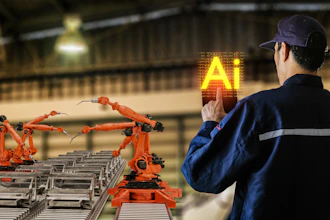
- The AI readiness gap: While 87% of leaders believe AI can improve productivity, 79% admit that integration challenges and poor data quality limit its actual impact.
The report underscores the growing need for manufacturers to centralize data and digitize tacit knowledge to create a permanent “digital DNA” within their plants.
For more information, visit: https://www.l2l.com/.