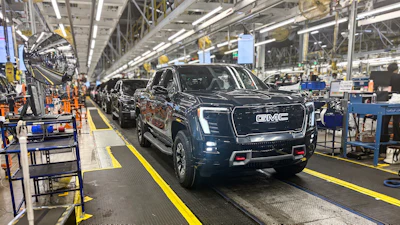
A strategic collaboration between General Motors, Cirba Solutions and partners successfully completed a closed-loop EV battery recycling pilot. Using materials recovered from end-of-life GM EV battery packs to produce new battery cells, these are the first GM EV batteries made with cathode active material (CAM) containing 100% recycled nickel, cobalt and manganese.
Closing the Loop
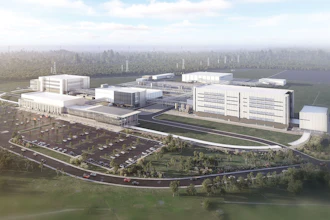
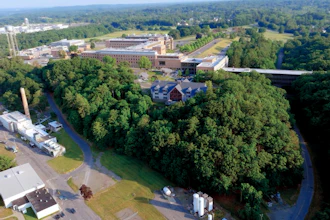
GM partnered with Cirba Solutions, a battery recycling materials and management company headquartered in Charlotte, North Carolina, to disassemble and process end-of-life EV battery packs as part of this program. The EV battery materials were transported to Cirba Solutions' lithium-ion recycling and recovery facility in Ohio to be processed into Black Mass, a concentrated intermediate material rich in critical minerals that is produced when lithium-ion batteries are shredded and processed.
Recovering the critical minerals through recycling is the first step. Critical minerals like nickel, cobalt and manganese help determine a battery's performance, and before any recycled materials from end-of-life batteries can go into manufacturing new EV cells, those materials must meet the same standards as virgin minerals.
The collaboration has produced new EV battery cells using recycled CAM through Ultium Cells, a joint venture between GM and LG Energy Solution. GM manufacturing teams assembled these cells into battery modules and packs at GM's Factory ZERO and Spring Hill assembly centers. This month, the first EVs rolled off the line, powered by GM's first battery cells containing CAM made with these recycled critical minerals, and will head to consumers.
"This pilot shows that the value of an EV battery can extend well beyond its first life – and that strong partnerships across the battery ecosystem are essential to building a more circular, resilient future for battery technology," said Melissa Flaherty, Director of Sustainable EV Battery Ecosystem at GM.
Enhancing Domestic Supply Chains
Nearly 14 million EV batteries are projected to reach end-of-life globally by 2040 and the global demand for lithium-ion batteries is expected to reach approximately 4.2 to 6.8 terawatt-hours annually over the next decade.
"Battery recycling is an important, intersecting component across the battery supply chain, and this program effectively demonstrates the value that recycling end-of-life batteries brings to creating a closed-loop supply of critical minerals," Cirba Solutions President and CEO David Klanecky said. "The global battery supply chain is an interconnected network of innovative and collaborative organizations – and engaging in partnerships like this with GM shows us how this work can truly strengthen our supply chains, manufacturing, global competitiveness and national security."